
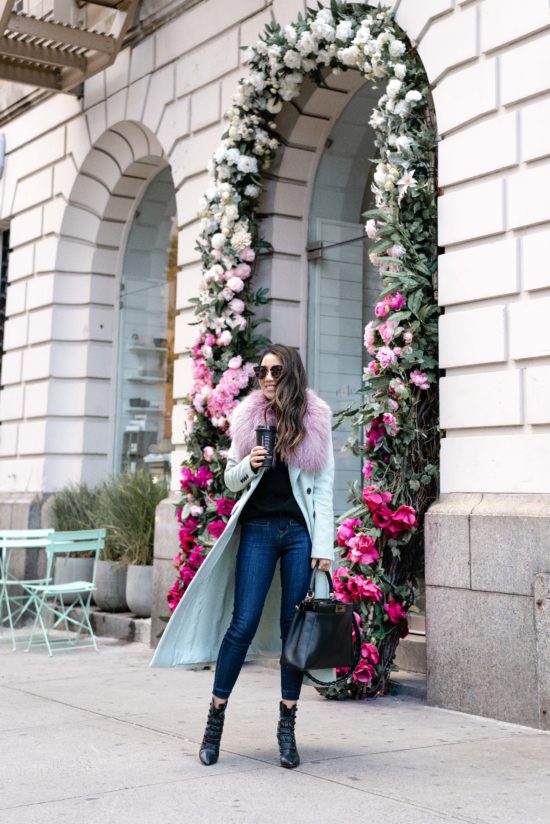
Soft Beautiful Colors
I hear it all the time: people think “soft colors” mean playing it safe, making a space feel bland or uninspired. And I’m here to tell you that’s simply not true. After years of experimenting with countless shades, watching trends come and go, I’ve learned the exact opposite. The right soft color doesn’t just recede; it elevates. It brings a sophisticated calm, a subtle beauty that loud, vibrant colors often struggle to achieve long-term. Choosing soft hues is about creating a feeling, a mood that permeates your entire home, making it a true sanctuary. It’s a deliberate choice for enduring elegance, not a lack of imagination.
Forget Bland Greys; Try a Muted Green Instead
Here’s my first, absolute non-negotiable piece of advice: if you’re still defaulting to generic, cold greys for your walls, stop. Just stop. We’ve moved past that era. While grey had its moment, it often leaves a room feeling sterile or, worse, just plain depressing. Instead, I implore you to embrace the incredible versatility and warmth of a muted green. These aren’t the bright, in-your-face greens of the 90s; these are sophisticated, earth-inspired shades that bring the calming influence of nature indoors without overwhelming the senses. They create an immediate sense of peace and groundedness that a cool grey simply cannot replicate. They are the definition of soft beauty.
My Top Pick: Sherwin-Williams “Clary Sage” SW 6178
If you ask me for one specific color that consistently knocks it out of the park, it’s Sherwin-Williams’ Clary Sage SW 6178. This isn’t just a color; it’s an experience. It’s a gorgeous, dusty green with subtle grey undertones that allows it to shift beautifully with the light throughout the day. It never feels too dark, nor too bright. I’ve used it in bedrooms where it promotes a serene sleep environment, and in living rooms where it feels organic and welcoming. It pairs incredibly well with warm wood tones, natural textures, and even a crisp white trim like Sherwin-Williams Pure White SW 7005. A gallon of Sherwin-Williams paint like this typically runs between $70-$90, depending on the sheen and quality.
A Close Second: Benjamin Moore “Soft Fern” 2144-40
For those who want something slightly warmer, Benjamin Moore’s Soft Fern 2144-40 is another winner. It has a bit more yellow in its undertone than Clary Sage, giving it a sunnier, more vibrant (but still muted) feel. I often recommend Soft Fern for kitchens or home offices where you want a bit more energy, but still crave that earthy, sophisticated vibe. It complements light cabinets beautifully and prevents a space from feeling too cold. While both Clary Sage and Soft Fern are muted greens, Soft Fern leans a touch more traditional and vibrant, whereas Clary Sage is pure calming sophistication. Benjamin Moore paints are typically in the same price range, around $75-$95 per gallon.
The Subtle Power of a Barely-There Blue
When done right, a barely-there blue is nothing short of magic. This isn’t about painting a room sky blue; it’s about finding those elusive shades that whisper tranquility rather than shout it. Light blues, especially those with a hint of grey or green, have this incredible ability to make a room feel expansive, airy, and profoundly peaceful. It’s a color that evokes clear skies and calm waters, making any space feel like a serene escape. I’ve seen these colors completely transform claustrophobic rooms into serene havens, providing a sense of depth without any heavy visual weight. The key is to avoid anything that feels icy or overtly childish. You’re aiming for a sophisticated, atmospheric wash of color that almost blends into the natural light.
Benjamin Moore “Palladian Blue” HC-144’s Magic
If there’s one cult-classic soft blue, it has to be Benjamin Moore’s Palladian Blue HC-144. It’s a true chameleon, appearing more blue, more green, or even more grey depending on the light and surrounding elements. This complexity is exactly what makes it so captivating and versatile. I’ve used it in master bathrooms, sunrooms, and even formal dining rooms, and it always delivers a fresh, elegant feel. Its green-blue-grey mixture means it avoids feeling cold or saccharine, instead providing a truly sophisticated backdrop. It’s truly one of those colors you have to see in your own space, as it reflects light differently in every room. Expect to pay around $80-$95 for a gallon of Benjamin Moore Regal Select in this shade.
Sherwin-Williams “Sea Salt” SW 6204: A Relaxing Vibe
Another absolute favorite in the soft blue category, though it leans more heavily into green, is Sherwin-Williams’ Sea Salt SW 6204. This color is the epitome of a spa-like retreat. It’s a soft, muted blue-green-grey that feels incredibly calming and natural. It’s perfect for bathrooms, bedrooms, or any space where you want to foster relaxation. I’ve found it particularly effective in rooms with ample natural light, where its subtleties can truly shine. Sea Salt pairs beautifully with crisp white linens, light wood, and brushed nickel fixtures. It’s a shade that promotes a sense of well-being and quiet contemplation. Pricing for Sherwin-Williams Emerald paint, a premium choice, would be closer to $85-$100 per gallon.
How to Test Paint Swatches Correctly
- Buy Sample Pots, Always: A tiny paint chip from the store is practically useless. Lighting in stores is artificial and your home’s lighting will be entirely different. Invest in sample pots (usually around $5-$10 each) of your top 2-3 choices.
- Paint Large Squares (Minimum 2×2 Feet): Don’t just dab a small spot. Paint at least a 2×2 foot square on a few different walls in the room you’re planning to paint. This allows you to see how the color interacts with varying light sources and angles.
- Observe at Different Times of Day: This is critical. A color can look entirely different at noon under bright sunlight compared to late afternoon or evening under artificial light. Live with the samples for a full 24-48 hours.
- Check Against Existing Elements: Hold your samples up against your flooring, furniture, existing trim, and any artwork you plan to keep. You need to ensure everything harmonizes, especially the undertones.
- Don’t Be Afraid to Say No: If a color isn’t working, even if you love it in theory, don’t force it. It’s much cheaper to buy another sample pot than to repaint an entire room. Trust your gut feeling after observing it for a few days.
Don’t Underestimate a Warm White
Here’s the deal: warm whites are the true workhorse for creating inviting, light-filled spaces without the starkness or coldness of pure, unadulterated white. They aren’t just blank canvases; they are the sophisticated foundation upon which truly beautiful interiors are built. If you want a bright room that still feels cozy and welcoming, bypass anything with a blue or grey undertone. Aim for whites with subtle cream, beige, or even a hint of peach or pink. They reflect light beautifully, making a room feel larger and brighter, but with a palpable sense of warmth.
Q&A: Picking the Right Undertones
How do I identify a color’s undertone?
Identifying a color’s undertone can feel like a superpower once you learn it, and it’s absolutely essential for soft colors. The easiest trick I’ve found is to compare the color you’re looking at to a pure version of its base color. For example, if you’re looking at a soft grey, compare it to a truly neutral, pure grey. Does your grey look a little purple next to it? Or perhaps slightly green? That’s its undertone. Another method is to look at the color on a white background; the undertone will often jump out. Pay close attention to how the color shifts under different lighting conditions – natural daylight versus incandescent or LED light can reveal different undertones.
Why do undertones matter so much?
Undertones are the silent dictators of your room’s harmony. They dictate how a paint color will interact with your existing furniture, flooring, artwork, and even the natural light. Imagine you have beautiful cherry wood floors with warm, red undertones, and you choose a wall color with a cool blue undertone. They will clash, creating an unsettling visual tension. Conversely, choosing a wall color with a warm beige undertone will complement those floors, making the entire space feel cohesive and intentional. Ignoring undertones leads to rooms that just feel “off” even if you can’t quite pinpoint why. They are the secret ingredient to a truly put-together space, especially when working with soft, nuanced shades.
Can I mix warm and cool undertones?
Yes, but carefully. This is where design skill comes into play. While matching undertones is generally the safest bet for a harmonious space, judiciously mixing warm and cool undertones can add depth and interest. The trick is to use neutrals to bridge them. For instance, a room with warm wood furniture and cool-toned art can be unified by a soft, neutral wall color that has both warm and cool elements (like a greige that leans slightly warm but isn’t overtly beige). Or, use a soft, muted color as your dominant hue and introduce the opposing undertone in smaller accents like pillows, throws, or decor items. Balance is key; you want juxtaposition, not a battle.
My Favorite Soft Pink vs. Peach Tones
Soft pinks and peaches are having a well-deserved moment, and for good reason. They can infuse a room with a delicate warmth and a sophisticated charm that’s far from saccharine. People often shy away, thinking ‘pink’ means a child’s bedroom, but these nuanced shades are anything but juvenile. They offer a gentle glow, making a room feel inviting and full of light. Choosing between them often comes down to the specific feeling you want to evoke and the existing elements in your room. Here’s a quick comparison of some of my go-to shades:
| Color Name | Brand | Undertone | Best For | Price/Gal (Est.) |
|---|---|---|---|---|
| Pink Ground No. 202 | Farrow & Ball | Warm, earthy pink | Bedrooms, nurseries, cozy living spaces | $110-$130 |
| First Light 2102-70 | Benjamin Moore | Muted, sophisticated pink | Master bedrooms, dressing rooms, powder rooms | $80-$95 |
| Moderne White SW 6168 | Sherwin-Williams | Barely-there peach, warm neutral | Any room needing a gentle glow, trim alternative | $70-$90 |
Farrow & Ball’s Pink Ground is a fantastic choice if you want a pink that leans into an almost terracotta-like warmth without being orange. It’s incredibly grounding. Benjamin Moore’s First Light is a bit more of a true pink, but it’s so muted it reads as a sophisticated blush, not bubblegum. It’s an official Benjamin Moore Color of the Year, for good reason. And Sherwin-Williams’ Moderne White, despite its name, has a lovely whisper of peach, making it a dreamy alternative to stark white, especially in sunny rooms.
The Unsung Hero: Muted Terracotta
When we talk about soft beautiful colors, one category consistently gets overlooked: muted terracotta. These aren’t the bright, fiery oranges or deep reds you might associate with traditional Southwestern decor. Instead, think of the dusty, sun-baked clay pots found in Mediterranean gardens – soft, earthy, and incredibly grounding. A muted terracotta brings warmth, authenticity, and a connection to the natural world without feeling heavy or overwhelming. It’s a sophisticated way to introduce a rich, organic feel into your home, perfect for creating a cozy, yet refined atmosphere. It provides depth and character in a way that many other soft colors can’t quite achieve.
Why Earth Tones Ground a Space
Earth tones, like muted terracotta, have an inherent ability to ground a space. They mimic the colors found in nature – soil, clay, stone – which subconsciously connects us to the outdoors and provides a sense of stability and calm. In a world that often feels chaotic, bringing these grounding colors into our homes acts as an anchor. They create a feeling of being enveloped and protected, fostering a sense of security and relaxation. Unlike cooler tones that can feel expansive and airy, warm earth tones draw you in, making a room feel more intimate and comfortable. This is why terracotta, even in its muted forms, is so effective at creating cozy nooks and inviting living areas.
Pairing Muted Terracotta with Other Colors
Muted terracotta is far more versatile than most people imagine. It pairs beautifully with a wide range of colors. For a serene, organic look, combine it with creamy whites, soft beiges, and deep olive or sage greens. The greens pull out its natural, earthy quality. If you want a touch more sophistication, try it with muted blues or teals; the contrast is striking yet balanced, evoking images of ancient pottery against the sea. Even subtle greys can work, provided they have a warm undertone to prevent clashing. Natural wood finishes, woven textures, and linen fabrics are its best friends, enhancing its tactile, comforting appeal. Don’t be afraid to use it on an accent wall or even in a small, intimate space like a powder room to truly lean into its rich, enveloping warmth.
Ultimately, soft colors aren’t a compromise; they’re a deliberate choice for lasting beauty. They provide a canvas for your life, adapting as your style evolves. As we move forward, expect to see even more nuanced explorations of these gentle hues, proving that sometimes, the quietest colors make the loudest statement in creating truly beautiful, livable homes.