
Finding Lasting Scarves: A Guide to Top Quality Brands
How do you pick a truly high-quality scarf that lasts for years, not just a season? It is not about chasing trends. It is about understanding materials, recognizing craftsmanship, and knowing which brands consistently deliver on their promise of durability and timeless style. This guide walks you through the essentials, so you can make informed decisions about your next textile investment.
Understanding Scarf Materials: What’s Worth Your Investment?
The foundation of any high-quality scarf lies in its material. Premium fibers offer superior drape, softness, warmth, and resilience. Choosing the right material depends on your specific needs: warmth, aesthetic, or feel. Ignoring the material specifications is a common mistake that leads to disappointment later.
Cashmere: The Gold Standard for Warmth and Softness
Cashmere is king for winter accessories. It comes from the fine undercoat of cashmere goats, primarily found in the Gobi Desert regions. The fibers are incredibly fine, typically ranging from 14 to 19 microns in diameter. This fineness translates to exceptional softness against the skin and an unparalleled warmth-to-weight ratio. A good cashmere scarf feels light yet provides significant insulation. Look for 100% cashmere on the label. Pilling can occur with lower-grade or shorter-fiber cashmere, especially if not properly cared for. The best quality cashmere often comes from Inner Mongolia, where the climate produces the finest, longest fibers. A single-ply cashmere scarf feels delicate; a two-ply offers more durability and warmth. This material, while requiring specific care, rewards you with years of luxurious comfort.
Silk: Unmatched Elegance and Versatility
Silk scarves offer a distinct luxury, characterized by their smooth texture, natural sheen, and vibrant color absorption. Silk is a protein fiber produced by silkworms, known for its strength and elasticity. There are various types of silk, each offering a unique handfeel and drape. Mulberry silk is the most common and highest quality, known for its uniformity and strength. Crêpe de Chine silk has a subtle texture and matte finish, while silk twill (often used by brands like Hermès) is durable and holds its shape well, making it ideal for intricate prints. Charmeuse silk is smooth and lustrous on one side, matte on the other. Silk is breathable, making it suitable for year-round wear, offering coolness in summer and a layer of warmth in colder months. It is also naturally hypoallergenic. A quality silk scarf will feel substantial, not flimsy, and have a beautiful, even drape.
Fine Wool Blends: Durable Everyday Luxury
While cashmere and silk grab headlines, high-quality wools and their blends are workhorses of the scarf world. Merino wool, specifically, is a standout. Sourced from Merino sheep, these fibers are much finer than traditional wool, typically between 17 and 24 microns. This makes Merino wool soft, non-itchy, and comfortable directly against the skin. It also has natural temperature-regulating properties, wicking moisture away and providing warmth without bulk. Lambswool, from a lamb’s first shearing, is another soft and durable option, often slightly coarser than Merino but still excellent. Blends, such as wool with silk or cashmere, can combine the best properties of each fiber: the warmth and durability of wool with the softness of cashmere or the sheen of silk. Always check the percentage of each fiber. A blend with at least 70% natural, high-quality fiber is a good starting point for a lasting piece.
Identifying Craftsmanship: How to Spot a Well-Made Scarf
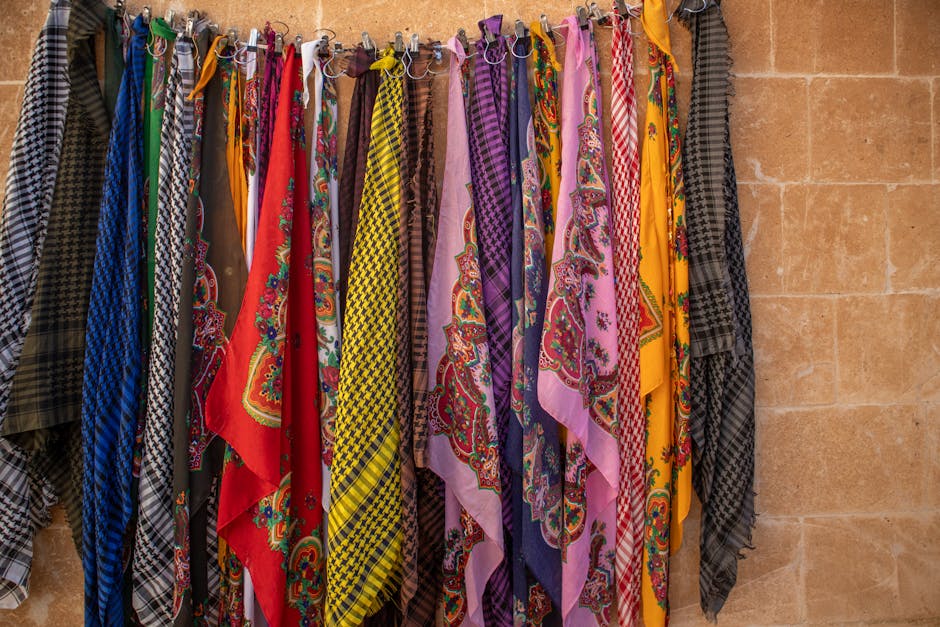
Beyond the material itself, the way a scarf is constructed speaks volumes about its quality. Even the finest cashmere can disappoint if poorly finished. This is where attention to detail pays off. Learning to identify these markers will guide your choices.
Examining the Weave and Edge Finishing
First, inspect the weave. For knitted scarves, a tight, even knit is crucial. There should be no loose threads, snags, or inconsistencies in the pattern. Hold the scarf up to the light; you should not see significant gaps or unevenness. For woven scarves, especially those made from fine materials like silk or cashmere, the weave should be dense and uniform. Irregularities indicate lower quality machinery or rushed production. Next, look at the edges. This is a critical indicator. A high-quality scarf will have meticulously finished edges. For silk, this often means a hand-rolled hem, where the edge is rolled inward multiple times and hand-stitched. This creates a plump, rounded edge that is durable and visually appealing. Machine-stitched hems can be acceptable for some materials, but they should be straight, even, and lie flat without puckering. Fringes on wool scarves should be evenly cut, twisted, or knotted, with no loose strands or ragged appearance. A perfectly finished edge is a hallmark of skilled craftsmanship and longevity.
The Importance of Dye Quality and Colorfastness
The vibrancy and consistency of a scarf’s color are direct reflections of its dye quality. High-quality dyes penetrate the fibers deeply and evenly, resulting in rich, uniform color that resists fading. Examine the scarf under good light; the color should be consistent across the entire piece, with no streaking or patchiness. For patterned scarves, the lines between colors should be crisp and clean, without bleeding. Another key aspect is colorfastness. This refers to how well the dye holds up to washing, light exposure, and friction. While you cannot test this directly in a store, reputable brands use dyes that are known to be colorfast. Cheaper scarves often use lower-quality dyes that can bleed in the wash, fade quickly in sunlight, or transfer color onto other garments or skin. A strong, even color that looks rich and not dull is a good sign. When gently stretching the fabric, the color should not noticeably lighten or change, which can happen with surface-dyed, low-quality items.
Top Scarf Brands Known for Exceptional Quality
When searching for scarves that truly stand the test of time, certain brands consistently deliver superior materials and craftsmanship. These companies have built their reputations on a commitment to quality, often spanning decades or even centuries of textile expertise.
- Hermès: Synonymous with luxury silk scarves, Hermès (often pronounced Air-mez) is legendary for its vibrant, intricate designs and unparalleled silk twill. Their scarves are hand-printed using multiple screens, sometimes up to 40 colors on a single design, ensuring incredible depth and detail. Each scarf features hand-rolled and hand-stitched hems, a time-consuming process that underscores their commitment to traditional craftsmanship. The quality of their silk is exceptional, providing a beautiful drape and enduring softness. While known for silk, their cashmere and wool blends also meet the same exacting standards.
- Loro Piana: An Italian brand renowned for its exquisite cashmere and wool. Loro Piana sources the finest fibers globally, including baby cashmere, vicuña, and Merino wool. Their dedication to material excellence is legendary. Scarves from Loro Piana are incredibly soft, lightweight, and offer superior warmth. They are understated in design, letting the unparalleled quality of the fibers speak for themselves. Expect meticulous weaving and a luxurious handfeel that is hard to replicate.
- Brunello Cucinelli: Often called the ‘King of Cashmere,’ this Italian designer specializes in high-end knitwear and accessories. Brunello Cucinelli’s scarves are crafted from the finest pure cashmere, often blended with silk for added luster and drape. Their pieces embody a sophisticated, relaxed luxury. The quality is evident in the uniform softness, consistent weave, and the elegant, muted color palettes they often employ. They prioritize ethical sourcing and traditional Italian manufacturing.
- Johnstons of Elgin: A Scottish company with a heritage stretching back to 1797, Johnstons of Elgin is a master of cashmere and fine wool. They control every stage of production, from raw fiber to finished product, ensuring impeccable quality. Their scarves are known for their incredibly soft hand, durable weave, and classic designs. They use only the finest natural fibers, primarily cashmere and lambswool, producing pieces that are warm, lightweight, and built to last generations. Their Tartan scarves are iconic examples of their craftsmanship.
- Épice: This Parisian brand, founded by two Danish designers, is celebrated for its distinctive patterns and use of high-quality materials like fine wool, silk, and cashmere. Épice scarves are often characterized by their vibrant colors and artistic, often hand-printed, designs. While perhaps less historically established than the others, they quickly gained a reputation for their creative flair combined with excellent material quality and soft handfeel, making them a favorite for those seeking unique, artful pieces without compromising on fiber quality.
Comparing Quality Scarf Types and Their Best Uses

Choosing the right high-quality scarf involves matching its material and construction to its intended purpose. Some scarves excel in warmth, others in elegance, and some in sheer versatility. Understanding these differences helps you build a functional and stylish collection.
| Scarf Type | Primary Material | Best Use Case | Key Benefit | Considerations |
|---|---|---|---|---|
| Luxury Winter Wrap | 100% Cashmere, Vicuña | Deep winter warmth, formal events | Exceptional softness, superior warmth-to-weight | High initial cost, delicate care required |
| Everyday Winter Scarf | Fine Merino Wool, Lambswool, Cashmere Blend | Daily cold weather wear, casual to smart-casual | Durable, good warmth, less delicate than pure cashmere | Can sometimes be slightly bulkier |
| Elegant Neck Scarf | Silk Twill, Crêpe de Chine | Business attire, formal accessories, light warmth | Vibrant prints, smooth feel, versatile styling | Less warmth, prone to wrinkles, needs careful handling |
| Transitional Scarf | Silk/Wool Blend, Fine Modal | Spring/autumn layering, indoor accessory | Breathable, good drape, comfortable across seasons | Less insulation for extreme cold |
| Large Shawl/Wrap | Cashmere/Silk Blend, Fine Wool | Travel, evening wear, extra layer for warmth | Versatile, luxurious feel, substantial coverage | Can be bulky to carry, higher price point |
For deep winter, a substantial cashmere scarf from Loro Piana or Johnstons of Elgin is an unparalleled investment. For adding a pop of color and sophistication to a business outfit, a vibrant silk twill from Hermès is a classic choice. If you need an everyday, durable option that still feels luxurious, a fine Merino wool from a reputable brand like Johnstons of Elgin or a Brunello Cucinelli cashmere blend is ideal. Each type offers distinct advantages, making your scarf choice a strategic decision based on your needs and the season.
Caring for Your High-Quality Scarf: Longevity Tips
Investing in a high-quality scarf means committing to its care. Proper maintenance is not just about keeping it clean; it is about preserving the integrity of the fibers and ensuring its longevity. Neglecting care instructions is the quickest way to diminish the value and lifespan of your premium textile.
Gentle Washing Techniques
Most high-quality scarves, especially those made from cashmere, silk, or fine wool, prefer gentle hand washing or professional dry cleaning. For hand washing: use cool water and a mild, pH-neutral detergent specifically designed for delicate fabrics or wool. Avoid harsh chemicals or bleach entirely. Submerge the scarf and gently swish it around for a few minutes. Do not twist, wring, or scrub aggressively, as this can damage fibers, cause felting in wool, or distort the scarf’s shape. Rinse thoroughly with cool water until all soap is gone. Gently press out excess water by rolling the scarf in a clean towel. Never hang a wet scarf, as the weight of the water can stretch and distort the fabric. Instead, lay it flat on a clean, dry surface or a mesh drying rack, away from direct sunlight or heat, until completely dry. For silk, direct sunlight can cause fading. This careful process is a small investment of time that pays dividends in preserving your scarf’s quality.
Proper Storage for Silk and Wool
How you store your scarves is just as important as how you wash them. Improper storage can lead to damage from pests, creases, or fiber distortion. For silk scarves, rolling them instead of folding can prevent hard creases and keep the fabric smooth. Store them in a cool, dark, dry place, ideally in breathable garment bags made of cotton or muslin. Avoid plastic bags, which can trap moisture and cause mildew or yellowing over time. For cashmere and wool scarves, protection from moths and other pests is . Ensure scarves are clean before storing, as moths are attracted to natural fibers with residual oils or food particles. Fold them neatly and store them in airtight containers, cedar chests, or breathable garment bags with natural repellents like cedar blocks or lavender sachets. Never hang heavy wool or cashmere scarves for extended periods, as they can stretch and lose their shape due to gravity. Laying them flat in drawers or on shelves is the best approach. Following these steps ensures your cherished scarves remain beautiful and ready to wear for many seasons to come.
Decoding Scarf Labels: What Every Detail Means
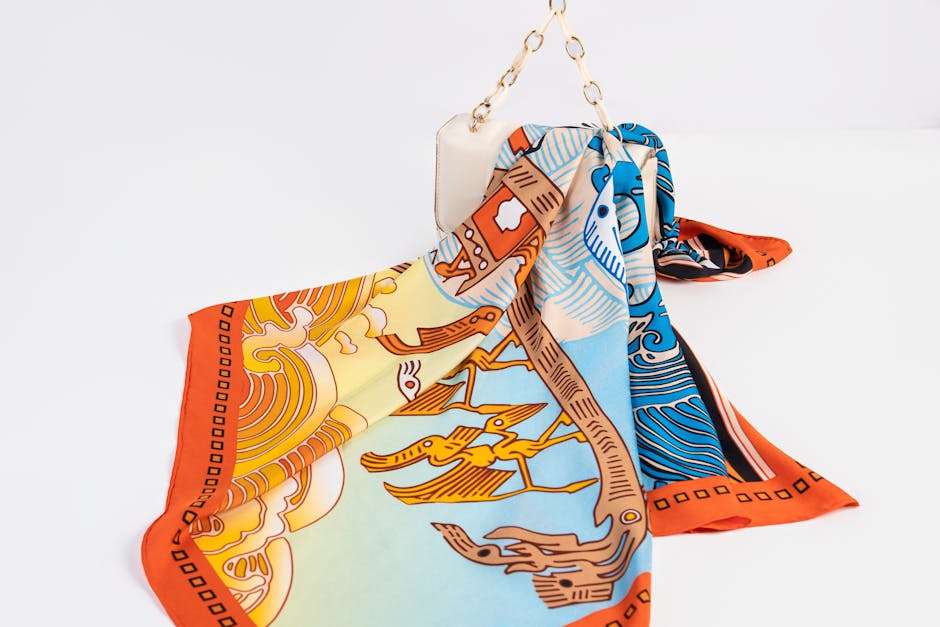
Navigating the labels on high-quality scarves can feel like deciphering a secret code. However, understanding these details is crucial for verifying authenticity and quality. The small print often holds the most important information.
What does “100% Cashmere” really tell you?
When a label states “100% Cashmere,” it means no other fibers are blended in. This is the ideal for pure cashmere luxury. However, it does not specify the *grade* of cashmere. Cashmere quality varies significantly based on fiber length and fineness. Longer, finer fibers (Grade A) result in softer, less-pilling, more durable cashmere. Lower grades (B or C) use shorter, coarser fibers, which can feel less soft and be more prone to pilling. While the label guarantees purity, the price point and brand reputation often indicate the grade. A significantly cheaper “100% Cashmere” scarf might use lower-grade fibers, affecting its long-term performance and feel. Always prioritize reputable brands known for their cashmere expertise.
Why are “Made in Italy” or “Made in Scotland” labels significant?
These labels are more than just a country of origin; they often signify a heritage of specific textile craftsmanship and quality standards. “Made in Italy” for silk or fine wool scarves typically points to a tradition of luxurious textile production, often involving meticulous weaving, printing, and finishing techniques passed down through generations. Italian manufacturers are renowned for their attention to detail and high-quality dyes. Similarly, “Made in Scotland” is a strong indicator of excellence for cashmere and lambswool, especially for woven pieces. Scotland has a centuries-old history of processing and weaving these fibers, with specific skills in carding, spinning, and finishing that contribute to the unique softness and durability of their products. These geographical markers often reflect stringent quality controls and a commitment to traditional, high-skill manufacturing processes, offering a layer of assurance regarding the scarf’s overall quality and authenticity. It means skilled hands, not just machines, were likely involved in its creation.