

Running Leggings: Your No-BS Guide to Performance
Are your current running leggings holding you back? The wrong pair can turn a great run into a miserable slog. Distractions like chafing, slipping waistbands, or inadequate storage break focus. Performance apparel should support, not hinder, your efforts. This guide cuts through the noise. It helps you pick the right leggings for your specific running needs.
Why Do My Running Leggings Fail Me Mid-Run?
Many runners face common issues that stem from ill-fitting or poorly designed leggings. These problems aren’t just minor annoyances; they can impact your form, comfort, and even your desire to keep going. Identifying these pain points is the first step to finding a better solution.
The Sweat-Soaked Sag Problem
Nothing disrupts a run faster than leggings heavy with sweat, clinging uncomfortably, and slowly sliding down. Cotton is a major culprit here. It absorbs moisture and holds it close to your skin. This leads to a wet, heavy feeling and eventual sagging around the waist and crotch. This isn’t just uncomfortable; it requires constant adjustments, breaking your rhythm. Look for synthetic blends designed specifically for moisture management. They pull sweat away from your body, allowing it to evaporate quickly. This keeps you feeling dry and light, even on long runs or in humid conditions.
Chafing: A Runner’s Worst Nightmare
Chafing occurs when fabric repeatedly rubs against your skin, often in sensitive areas like the inner thighs or waistband. It causes redness, irritation, and can lead to painful sores. Poorly constructed seams are often to blame. Flatlock seams are essential. They lie flat against the skin, reducing friction points. Also, a fabric that stretches and moves with your body, rather than resisting it, minimizes rubbing. Leggings that are too loose or too tight can both contribute to chafing. A snug, second-skin fit is ideal to prevent material from bunching or shifting.
Inadequate Storage for Essentials
Where do you put your phone, keys, and energy gels? Many leggings offer only a small internal key pocket, or none at all. This forces runners to carry bulky armbands or waist packs. These can bounce and irritate during a run. Modern running leggings incorporate smart storage solutions. These include secure zipper pockets on the side thigh or back waistband. These pockets are designed to hold essentials without bounce. Some even have specific phone sleeves. Prioritize leggings with well-placed, secure pockets. This frees your hands and allows you to carry what you need comfortably.
Understanding Running Legging Fabrics and Their Function
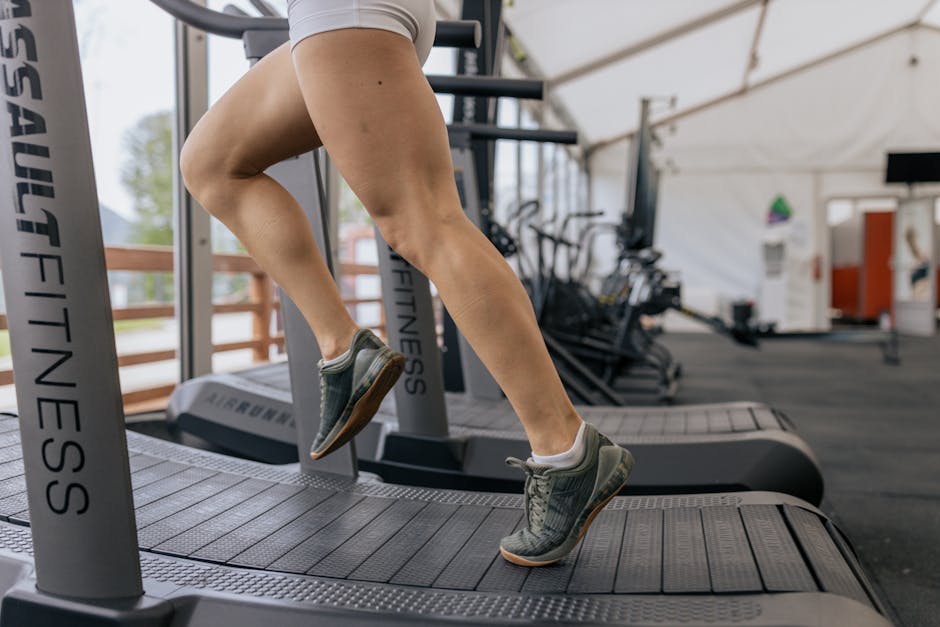
The material composition of your running leggings dictates much of their performance. Different fibers and blends offer distinct advantages, from moisture management to thermal regulation. Choosing the right fabric is critical for comfort and efficiency across various running conditions. Ignoring fabric details means settling for less than optimal performance.
Synthetic fabrics dominate the running apparel market for good reason. They are engineered to perform under strenuous conditions. Unlike natural fibers such as cotton, synthetics do not absorb water. Instead, they wick it away. This process is called capillary action. It moves sweat from your skin to the fabric’s outer surface, where it can evaporate quickly. This keeps you dry, reduces the risk of chafing, and maintains a stable body temperature. Brands like Nike and Lululemon invest heavily in proprietary fabric technologies. These often involve complex weaves and chemical treatments to enhance wicking, breathability, and durability. These advancements mean a better experience for the runner. A deep dive into these materials reveals why they are superior for athletic pursuits.
The Power of Polyester and Nylon Blends
Polyester is a workhorse in athletic wear. It is highly durable, resistant to stretching and shrinking, and excels at moisture-wicking. Its fibers are naturally hydrophobic, meaning they repel water. This makes sweat evaporate quickly from the fabric surface. Nylon, while also moisture-wicking, offers superior abrasion resistance and a smoother, silkier feel. Often, the best running leggings combine these two. A blend of 80% polyester and 20% spandex is common for warmth and compression, while a higher nylon content might be found in lighter, more breathable options. For example, brands like Under Armour frequently use advanced polyester blends in their ColdGear and HeatGear lines. These blends are specifically engineered for distinct temperature ranges. They manage sweat effectively, no matter the conditions. Understanding these base materials helps in selecting the right pair for your environment.
Spandex and Lycra: The Stretch Factor
Spandex, also known by its brand name Lycra, is critical for the fit and flexibility of running leggings. It provides the essential stretch and recovery. A typical running legging contains 10-25% spandex. This percentage ensures the fabric moves with your body, offers muscle support, and retains its shape over time. Without enough spandex, leggings can feel restrictive or sag after a few wears. Too much, however, can make them feel overly compressive and less breathable. The ideal balance allows for full range of motion without feeling constrictive. Brands like Athleta often highlight the high spandex content in their Powervita fabric. This material is known for its buttery soft feel and four-way stretch. It provides comfort and support for dynamic movements. This elasticity is what keeps your leggings feeling like a second skin, preventing bunching and allowing for an uninhibited stride.
Thermal Fabrics for Cold Weather Running
When temperatures drop, standard moisture-wicking fabrics are not enough. Cold weather running demands thermal insulation. These specialized fabrics trap a layer of warm air close to the body while still wicking away sweat. Brushed interiors are common. These soft, fleecy linings provide warmth and a comfortable feel against the skin. Materials often include thicker polyester blends, sometimes with a higher spandex content for a snug, insulating fit. Some brands incorporate advanced technologies like hollow-core fibers or ceramic prints. These enhance thermal retention without adding bulk. For instance, Adidas’s Terrex line offers leggings with specific thermal properties. These are designed for sub-zero temperatures. They balance warmth with breathability. Look for terms like “brushed back,” “fleece-lined,” or “thermal insulated” when shopping for winter running gear. This ensures your legs stay warm, preventing muscle stiffness and discomfort in freezing conditions.
Compression vs. Standard Fit: What’s Best for Your Stride?
The debate between compression and standard-fit leggings often comes down to personal preference and performance goals. Both offer distinct advantages for runners. Understanding these differences helps you make an informed choice.
Benefits of True Compression
Compression leggings are designed to apply graduated pressure to your muscles. This pressure is typically tighter at the ankles and looser towards the waist. The goal is to improve blood circulation. Enhanced blood flow can help deliver more oxygen to working muscles, potentially reducing fatigue and aiding in recovery. Many runners report feeling more supported and less muscle vibration during high-impact activities. For instance, brands like CW-X specialize in targeted compression. Their designs often incorporate Kinesiology-taping principles. This provides support to specific muscle groups and joints. This can be particularly beneficial for long-distance runners or those prone to muscle soreness. The snug fit also prevents fabric from shifting, minimizing chafing. True compression leggings often feature higher spandex content and a denser knit. This construction creates the necessary pressure. They should feel tight but not restrictive, like a firm hug for your legs.
When Standard Fit Excels
Standard-fit running leggings offer a more relaxed feel compared to their compression counterparts. They still provide moisture-wicking and breathability but without the intense muscle squeeze. For shorter, less intense runs, or for runners who simply prefer less constriction, standard fit is an excellent choice. They are often more comfortable for casual wear or cross-training activities. Many runners find them easier to put on and take off. Brands like Old Navy Active offer a wide range of standard-fit options. These focus on comfort and affordability for everyday activity. While they might not offer the same recovery benefits, they excel in providing unrestricted movement and general comfort. Ultimately, the choice depends on your running style, the duration of your runs, and your personal comfort threshold. Some runners even own both types, choosing based on the day’s training plan.
| Feature | Compression Leggings | Standard Fit Leggings |
|---|---|---|
| Fit | Snug, second-skin, graduated pressure | Comfortable, relaxed, less restrictive |
| Muscle Support | High; reduces vibration, aids circulation | Moderate; general support |
| Recovery Benefits | Potential for reduced soreness, faster recovery | Minimal; focused on comfort during activity |
| Feel | Tight, supportive, like a firm hug | Soft, flexible, uninhibited movement |
| Best For | Long runs, speed work, recovery, injury prevention | Short runs, casual wear, gym, everyday comfort |
| Key Brands | CW-X, 2XU, Under Armour (specific lines) | Nike, Lululemon, Athleta (many lines) |
Essential Features Every Running Legging Needs

Beyond fabric and fit, specific design elements transform good leggings into great ones. These features address common runner frustrations. They enhance safety, convenience, and overall performance. Do not overlook these details when making your selection.
-
Smart Pocket Placement
Pockets are not all created equal. For runners, pocket placement and security are . Side drop-in pockets on the thigh are ideal for phones. They keep the device secure against the leg, minimizing bounce. Look for pockets deep enough to fully enclose your phone. A small, zippered back waistband pocket is perfect for keys, cards, or energy gels. This spot is usually stable and out of the way. Some leggings integrate multiple pockets. For example, Lululemon’s Fast and Free Tight often features multiple thigh and waistband pockets. This allows for diverse storage options. Ensure pockets have a snug fit. This prevents items from jostling. Mesh pockets might save weight but can expose items to sweat. Opt for solid fabric where possible.
-
Drawstrings and Waistbands That Stay Put
A constantly slipping waistband is infuriating. The best running leggings feature a wide, high-rise waistband. This design offers better coverage and support. An internal drawstring is a non-negotiable feature for serious runners. It allows for a customized, secure fit. This prevents sagging, especially as you move and sweat. Some drawstrings are continuous loops, others are separate cords. Continuous loops tend to be more comfortable and less prone to getting lost in the wash. Brands like Nike often incorporate wide, elastic waistbands with an internal drawcord in their running-specific tights. This design ensures your leggings stay exactly where you put them, no matter the intensity of your run. It provides peace of mind and allows you to focus solely on your stride.
-
Reflectivity for Low-Light Safety
Safety is critical for runners, particularly those who run early mornings or late evenings. Reflective elements significantly increase your visibility to drivers and cyclists. These can be small logos, striping along the seams, or large reflective panels. More reflective surface area is always better. Look for leggings with strategically placed reflective details. These should be visible from multiple angles. Reflective elements are often found on the lower legs or around the ankles. This helps create motion visibility. Brands like Brooks and Adidas integrate advanced reflective technology into many of their running apparel lines. This ensures you are seen even in challenging light conditions. Never compromise on safety. Prioritize leggings with ample reflective detailing if you frequently run in low light.
Our Top Picks by Running Condition
Choosing the right leggings means matching their design to your specific environment and activity. One pair does not fit all scenarios. Here are our recommendations for different running conditions, focusing on key brand characteristics.
Best for Hot Weather: Lightweight and Breathable
For hot, humid runs, prioritize minimal weight and maximum airflow. You need fabrics that feel barely there. Look for thinner polyester or nylon blends with significant ventilation. Mesh panels are a huge plus, particularly behind the knees or along the sides. These allow heat to escape. Nike’s Dri-FIT ADV line excels here. Their fabrics are exceptionally light and engineered for rapid moisture evaporation. They often include perforations or mesh zones. Similarly, Lululemon’s Nulux fabric, found in their Fast and Free Tights, offers an almost naked sensation. It’s cool to the touch and highly breathable, perfect for summer. Avoid anything with a brushed interior or high compression in these conditions; it will trap heat.
Best for Cold Weather: Insulated Comfort
When the temperature drops, warmth and protection are key. The best cold-weather leggings offer insulation without bulk. They still need to wick sweat effectively to prevent chills. Look for brushed interior fabrics. These create a soft, fleecy layer that traps warmth. Water-resistant or wind-resistant panels on the front of the thighs can be beneficial in harsh conditions. Under Armour’s ColdGear leggings are a standout here. They use a dual-layer fabric that traps heat while still providing excellent moisture management. For even colder conditions, Athleta’s Rainier Tight line often features a Polartec Power Stretch fabric. This material is renowned for its warmth, stretch, and breathability in cold environments. Look for ankle zippers for easier on and off over running shoes.
Best for Long Distances: Maximum Support
Long runs demand leggings that offer sustained comfort, support, and practical features. Compression, secure storage, and a non-slip waistband become critical over many miles. You need leggings that feel stable from mile one to mile twenty. Saucony’s Fortify Tights offer a good balance of compression and comfort. They often include well-placed, bounce-free pockets and a reliable drawstring. Brooks’ Method Tights are another strong contender. They provide targeted compression and a secure fit. This reduces muscle oscillation. Focus on leggings with multiple secure pockets. These are essential for carrying nutrition and hydration. A wide, high waistband with an internal drawstring is non-negotiable. This ensures the leggings stay put through every stride, eliminating distractions and allowing you to maintain your focus on the road ahead.
How to Care for Your Performance Leggings
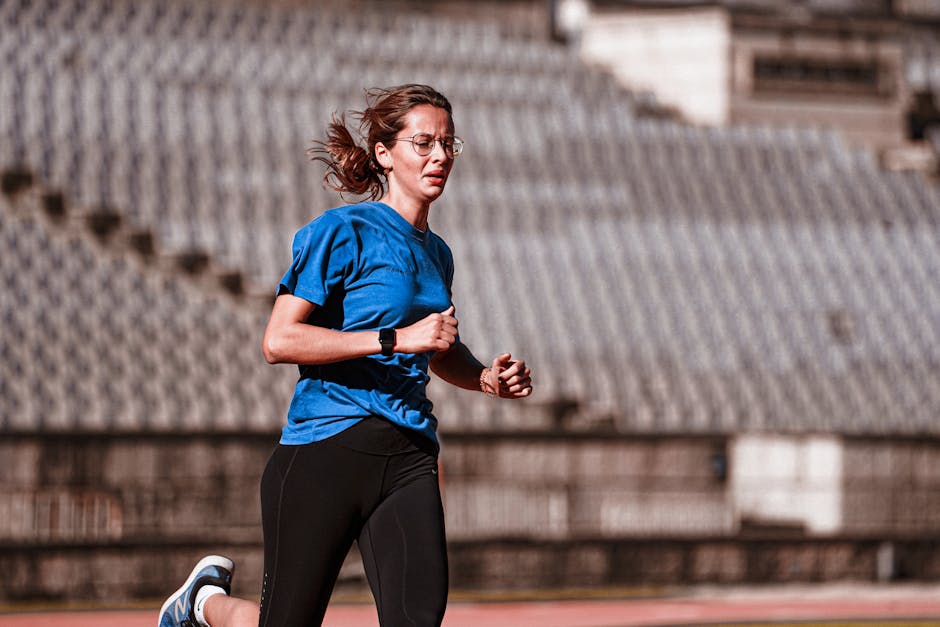
Proper care extends the life of your running leggings and maintains their performance features. Neglecting care instructions can degrade the fabric’s wicking abilities and elasticity. Treat your performance gear with respect.
Gentle Washing Practices
Always wash your running leggings in cold water. Cold water protects the delicate fibers and helps maintain the fabric’s integrity. Turn your leggings inside out before washing. This protects the outer surface, reflective elements, and any logos. Use a mild detergent. Harsh chemicals can break down elastic fibers over time. Consider using a mesh laundry bag, especially if your leggings have zippers or delicate mesh panels. This prevents snags and stretching in the washing machine. Avoid overloading the washer. Overloading can prevent thorough rinsing and can put undue stress on the fabric. A gentle cycle is always best. This minimizes agitation and extends the life of the garment.
Avoiding Fabric Softeners and High Heat
Fabric softeners are the enemy of performance apparel. They leave a residue on the fabric’s surface. This residue clogs the pores of moisture-wicking materials. This reduces their ability to pull sweat away from your skin. The result is sweat-soaked, heavy leggings. Skip fabric softener entirely for all your athletic wear. Similarly, high heat from dryers can damage the spandex fibers. This causes them to lose elasticity and shape. Always air dry your running leggings. Hang them or lay them flat. This preserves their stretch and ensures they continue to provide the support you need. If you must use a dryer, select the lowest heat setting. Remove them while still slightly damp. Proper drying is just as important as proper washing for longevity.
The Ultimate Running Leggings Comparison
Choosing the right running leggings means balancing material, fit, and features against your specific needs. Here’s a quick reference to help you decide.
- For Hot Weather: Prioritize lightweight, breathable fabrics with mesh ventilation. Look for brands like Nike (Dri-FIT ADV) or Lululemon (Nulux).
- For Cold Weather: Seek brushed interiors and thermal properties. Under Armour (ColdGear) and Athleta (Rainier) are strong contenders.
- For Long Distance & Support: Focus on moderate compression, secure waistbands, and multiple, bounce-free pockets. Saucony (Fortify) and Brooks (Method) offer excellent options.
- For Everyday Training: Standard-fit leggings with good moisture-wicking and comfort are sufficient. Many brands, including Adidas and Old Navy Active, provide reliable options.
- Key Features Across All: Flatlock seams to prevent chafing, internal drawstrings for waist security, and reflective elements for safety are essential.