

Luxury Trench Coats: Smart Investment Choices
Did you know the classic trench coat, a symbol of timeless style, was originally designed to withstand the brutal conditions of WWI trenches, keeping officers dry and warm? What started as military gear became a fashion icon. But somewhere along the way, many brands lost sight of its original purpose, selling expensive coats that fail at basic protection. I learned this the hard way.
My $1500 Mistake: The Truth About “Luxury” Trench Coats
I thought buying a high-end trench coat would be easy. Just pick a famous brand, right? Wrong. My first “luxury” trench was a massive disappointment, and frankly, a waste of $1500. I won’t name the specific brand because it’s less about one bad apple and more about a systemic problem in the “luxury” market. I walked into a beautiful boutique, fell for the heritage story, and shelled out serious cash.
What I got was a coat that looked great on the hanger and in filtered photos, but failed spectacularly in real life. The fabric felt stiff, the fit was awkward, and despite claims, it wasn’t remotely waterproof. A light drizzle turned into a soaked shirt. The buttons felt flimsy, ready to pop off at any moment. It sat in my closet, a monument to a costly error.
The Allure of a Label vs. Reality
We’re conditioned to believe that a high price tag or a recognizable logo automatically equates to superior quality. With trench coats, this couldn’t be further from the truth. Many “designer” brands, particularly those focused on seasonal fashion, slap a premium on garments that are simply not built to last or perform. They prioritize trends over functionality, cutting corners on materials and construction that are vital for a true trench coat.
I expected robust, weatherproof fabric, expert stitching, and a timeless design. What I received was a fashion accessory – an expensive one – that couldn’t handle its most basic function: protecting me from the elements. This experience fundamentally shifted how I approach luxury purchases.
When Heritage Doesn’t Mean Quality
Some brands lean heavily on their “heritage” to justify high prices, even when their current production methods don’t reflect that history. They might use cheaper, fused interlinings instead of traditional canvas, or opt for a polyester blend gabardine that lacks the breathability and water resistance of tightly woven cotton. The original designers of the trench – the people who literally invented the garment – wouldn’t recognize some of today’s interpretations. This isn’t just about aesthetics; it’s about structural integrity and practical utility.
The Hidden Costs of Poor Construction
A poorly constructed trench coat isn’t just a waste of money initially. It also costs you in frustration, lack of use, and potentially even more money if you try to replace it sooner. My “luxury” coat quickly showed signs of wear – loose threads, sagging lapels, and a general loss of shape. I learned that true luxury isn’t just about the initial purchase; it’s about the longevity and performance you get for years, even decades, after.
Beyond the Hype: What Defines a Trench Coat Worth Its Salt?

After my initial blunder, I dove deep. I researched fabrics, construction techniques, and interviewed people who had owned their trench coats for decades. I learned that a real investment piece isn’t just about looking good; it’s about unparalleled performance, durability, and timeless design that genuinely holds up to real-world use and passing trends. It’s about a coat that becomes a part of your story, not just a fleeting purchase.
A true luxury trench coat excels in three key areas: superior materials, impeccable construction, and a thoughtfully engineered fit. Miss any of these, and you’re just buying an expensive jacket, not an heirloom.
Fabric: Gabardine Isn’t Just Cotton
The heart of any great trench coat is its fabric. When we talk about classic trenches, we’re almost always talking about gabardine. But not all gabardine is created equal. The original, and still the best, is a tightly woven cotton twill, often with at least 100 threads per centimeter. This dense weave, developed by Thomas Burberry, creates a strong, durable, and naturally water-repellent barrier. Water beads off rather than soaking in.
- High-Quality Cotton Gabardine: Look for 100% cotton gabardine with a substantial feel. It should have a noticeable “hand” – a crispness and density that polyester blends just can’t replicate. Brands like Burberry and Aquascutum are still masters of this fabric. You can feel the difference immediately. It’s breathable, unlike synthetic raincoats, and ages beautifully.
- Wool Gabardine: Some trenches use wool gabardine, offering different drape and warmth, but cotton is the classic for its weather resistance.
- Avoid Polyester Blends: Unless specified as a highly technical, modern material from a specialized brand (like some Mackintosh designs), most polyester-blend “gabardine” is a cost-cutting measure. It often feels plasticky, lacks breathability, and won’t age gracefully. Don’t buy it.
Construction Details That Matter
This is where many modern “luxury” brands fail. True craftsmanship is in the details:
- Full Canvas Interlining: A proper trench coat should have a full canvas interlining, not fused. This canvas shapes the coat, allowing it to mold to your body over time and preventing it from looking stiff or cheap. Fused interlinings (where glue bonds the fabric) often bubble or delaminate with wear and cleaning.
- Reinforced Stitching: Pay attention to the stitching. It should be tight, even, and consistent throughout. Critical areas like pocket openings, belt loops, and sleeve straps should be heavily reinforced. Double-stitching is a good sign of durability.
- Genuine Horn Buttons: Plastic buttons are a dead giveaway of corners cut. Authentic horn buttons are durable, have natural variations, and simply look and feel superior. They also cost more, which is why cheaper coats avoid them.
- Leather Buckles: While some prefer fabric-covered buckles, genuine leather buckles on the belt and cuff straps are a sign of quality. They break in beautifully and last indefinitely.
The Fit Philosophy: Why Bespoke-Level Is Key
A trench coat should fit like a second skin, but with enough room for layering. It’s not a slim-fit blazer. A well-designed trench offers a comfortable shoulder, a slight taper at the waist (especially when belted), and sleeves long enough to cover your wrists, even when reaching. The length is crucial too; a classic trench should hit around the knee or just below for maximum protection and timeless style. Shorter versions often look like a casual jacket, losing the trench’s iconic silhouette and protective function.
The Brands That Get It Right: My Unbiased Recommendations
After years of trial and error, I’ve narrowed down the field to a few brands that consistently deliver on quality, heritage, and genuine value for money – even at their high price points. These are the coats I’ve either owned, thoroughly vetted, or would personally invest in again without hesitation.
Burberry: Is the Icon Still the Best?
Yes. Despite its ubiquity, Burberry remains the benchmark for a reason. Their heritage line (like the Westminster, Kensington, and Chelsea models) is still meticulously crafted in England from their iconic cotton gabardine. You’re paying for history, yes, but also for ongoing quality control and a truly timeless design.
- The Westminster Heritage Trench Coat ($2,290-$2,590): This is my personal favorite. It’s a classic, generous fit, perfect for layering, and truly weather-resistant. It’s the “original” fit and has a slightly softer drape than the more structured Kensington. I own one, and it feels like armor against the rain, yet it’s breathable.
- The Kensington Heritage Trench Coat ($2,090-$2,390): A more contemporary, tailored fit. Great for those who prefer a slimmer silhouette. Still excellent quality, but I find the Westminster more versatile.
Verdict: If you want the icon, and you want it done right, Burberry is still the top choice. Don’t skimp on their main heritage line – avoid their fashion-forward or diffusion lines if you’re looking for an investment piece.
Aquascutum: The Quiet Contender
Aquascutum is often overshadowed by Burberry, but they were also originators of the trench coat. Their quality is on par, sometimes even exceeding, modern Burberry, especially for the price point. They are known for their “Aqua-Scutum” fabric, which predates Burberry’s gabardine in some aspects of water resistance. Their designs are classic and understated.
- The Broadgate Trench Coat ($1,400-$1,800): A superb, traditional fit with excellent tailoring. The fabric is dense, and the details are all there: genuine horn buttons, leather buckles, and a removable wool lining for extra warmth. This is a seriously underrated trench.
- The Corby Trench Coat ($1,200-$1,600): A slightly more modern, shorter cut, but still with all the heritage details. It’s a fantastic option if you want something a bit less formal than the Broadgate.
Verdict: For understated elegance and exceptional value in the luxury segment, Aquascutum is a strong contender. You get similar quality to Burberry for a few hundred dollars less.
Mackintosh: Rainwear Royalty
Mackintosh invented the waterproof fabric that bears its name – the rubberized cotton. While their traditional “macs” are distinct from a trench, they produce some incredible trench coats using both traditional gabardine and their rubberized cotton. Their approach is focused on absolute weather protection.
- The Dunoon Trench Coat ($1,800-$2,200): Made from their signature bonded cotton, this trench is truly waterproof, not just water-resistant. It has a slightly stiffer drape due to the unique fabric. It’s a different aesthetic – more utilitarian luxury – but incredibly effective.
- The Oxford Trench Coat ($1,600-$2,000): A more traditional cotton gabardine trench from Mackintosh, showcasing their tailoring expertise. It’s a beautifully constructed piece, perhaps a bit more minimalist than Burberry or Aquascutum.
Verdict: If absolute waterproofing is your top priority and you appreciate a more minimalist, utilitarian design, Mackintosh is a fantastic choice. Their bonded cotton is a unique offering in the luxury trench market.
Don’t Buy X, Get Y Instead: Avoiding Common Pitfalls

Don’t buy a trench coat just because it has a big designer label and a high price tag. Many fashion brands churn out ‘luxury’ trenches with fused interlining, flimsy gabardine, and plastic buttons – they’re essentially expensive rain jackets masquerading as investment pieces. Instead, prioritize true heritage brands known for their craftsmanship and weatherproofing, like Burberry, Aquascutum, or Mackintosh, which focus on enduring quality over fleeting trends.
The Essential Features for Longevity and Style
Beyond the brand, certain design elements are crucial for a trench coat that will serve you well for years. These aren’t just aesthetic flourishes; they’re functional components that contribute to the coat’s performance and versatility. I’ve found that the best trenches incorporate these elements thoughtfully, without over-designing.
- Storm Flap (Gun Flap) and Rain Shield:
The small flap over the right shoulder (or sometimes both) is known as the storm flap or gun flap. Originally, it provided extra protection from rain and absorbed recoil from a rifle. Today, it still serves as an additional layer against water running down your back and shoulders. The “rain shield” – the cape-like overlay across the upper back – ensures water sheds away efficiently, preventing it from pooling or seeping through seams. If a trench lacks these, it’s cutting a fundamental design element for protection.
- Adjustable Belt with D-Rings:
The belt is iconic, but its functionality is key. A sturdy, wide belt cinches the waist, helping to keep cold air out and create a flattering silhouette. The D-rings, originally for attaching military equipment, now serve as a stylish detail and a place to hang a small bag or gloves. Make sure the belt is long enough to tie easily and that the buckle is robust, ideally leather-covered or solid metal, not flimsy plastic.
- Adjustable Cuff Straps:
These straps at the cuffs aren’t just for show. They allow you to tighten the cuffs, sealing out wind and rain, which is incredibly useful in bad weather. Look for solid buckles, again, ideally leather or metal, that hold their position securely.
- Deep Pockets:
A good trench coat should have generously sized, easily accessible pockets. My personal preference is for “through” pockets, which allow you to reach into your trousers underneath without unbuttoning the coat. This is a brilliant, practical feature often found on heritage models. If not “through”, ensure the pockets are lined well and have a flap to keep contents dry.
- Ventilation and Lining:
A back vent (or single vent) is essential for ease of movement. It should have a button or snap to keep it closed when not needed. As for lining, a removable wool lining is a fantastic bonus, instantly transforming a spring/fall coat into a much warmer winter option. Look for high-quality, breathable linings – cotton or viscose are good choices. Avoid cheap, static-prone polyester linings.
Keeping Your Investment Pristine: Care and Maintenance
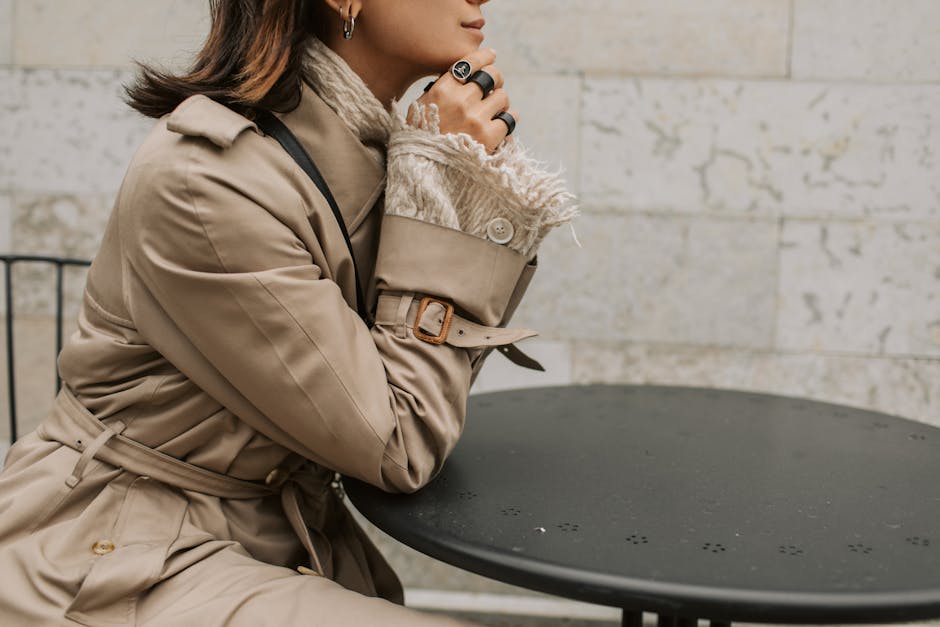
A luxury trench coat is a significant investment, and like any valuable item, it requires proper care to maintain its appearance and prolong its life. This isn’t a “throw it in the machine” kind of garment. Treating it right ensures it remains a timeless piece in your wardrobe for decades.
Professional Cleaning vs. At-Home Care
For most high-quality trench coats, especially those made from gabardine, professional dry cleaning is the recommended route. However, this isn’t a task for just any dry cleaner. Seek out specialists experienced with luxury outerwear and delicate fabrics. A poor dry cleaning job can strip the coat of its water-repellent finish, distort its shape, or damage buttons and buckles. Ask about their methods and if they offer re-proofing services for the gabardine.
At home, minor dirt or splashes can often be gently spot-cleaned with a damp cloth and mild soap. Always test on an inconspicuous area first. Avoid harsh chemicals or excessive rubbing, which can damage the fabric weave and finish. Never machine wash a gabardine trench coat – it will almost certainly ruin its structure and water resistance.
Storage Solutions for Trench Coats
How you store your trench coat when not in use is critical. Always hang it on a wide, padded hanger that supports the shoulders properly to prevent creasing and loss of shape. Wire hangers are a definite no-go. Ensure it has enough space in your closet to hang freely, without being crushed by other garments. This allows the fabric to breathe and prevents permanent wrinkles.
For seasonal storage, particularly during warmer months, use a breathable garment bag (cotton or canvas, not plastic). This protects it from dust and moths while allowing air circulation. Store it in a cool, dry place, away from direct sunlight, which can fade the fabric over time. Ensure the coat is completely dry before storing to prevent mildew.
Repairing Minor Damage: What’s Possible?
Even the best-made trench coats can experience minor wear and tear over time. The good news is that many issues are repairable. Loose buttons can be re-sewn (always keep spare buttons if provided). Frayed belt loops or minor seam separations can often be expertly repaired by a skilled tailor. For more significant damage, such as tears in the fabric, some heritage brands offer repair services, or you can seek out a specialized “invisible mending” tailor.
Don’t ignore small issues; address them promptly before they escalate. A little proactive maintenance goes a long way in preserving your investment and keeping your trench coat looking its best for decades.
Choosing Your Forever Trench: A Quick Comparison
Ultimately, the best luxury trench coat for you depends on your specific needs – do you prioritize absolute authenticity, modern tailoring, or unparalleled waterproofing? Here’s a quick summary of my top picks to help you decide.
| Brand/Model | Typical Price Range | Key Strengths | Who It’s For |
|---|---|---|---|
| Burberry Westminster | $2,290 – $2,590 | Iconic design, generous fit, classic gabardine, true heritage. | The purist seeking the “original” feel and timeless versatility. |
| Burberry Kensington | $2,090 – $2,390 | Iconic design, tailored modern fit, classic gabardine. | Those who prefer a slimmer, more contemporary silhouette. |
| Aquascutum Broadgate | $1,400 – $1,800 | Understated elegance, exceptional gabardine quality, strong value. | Discerning buyers who appreciate quality without the overt branding. |
| Mackintosh Dunoon (Bonded Cotton) | $1,800 – $2,200 | Truly 100% waterproof, unique bonded cotton fabric, minimalist design. | Anyone needing absolute rain protection with a sleek, modern aesthetic. |